Introduction to the World of Oolong
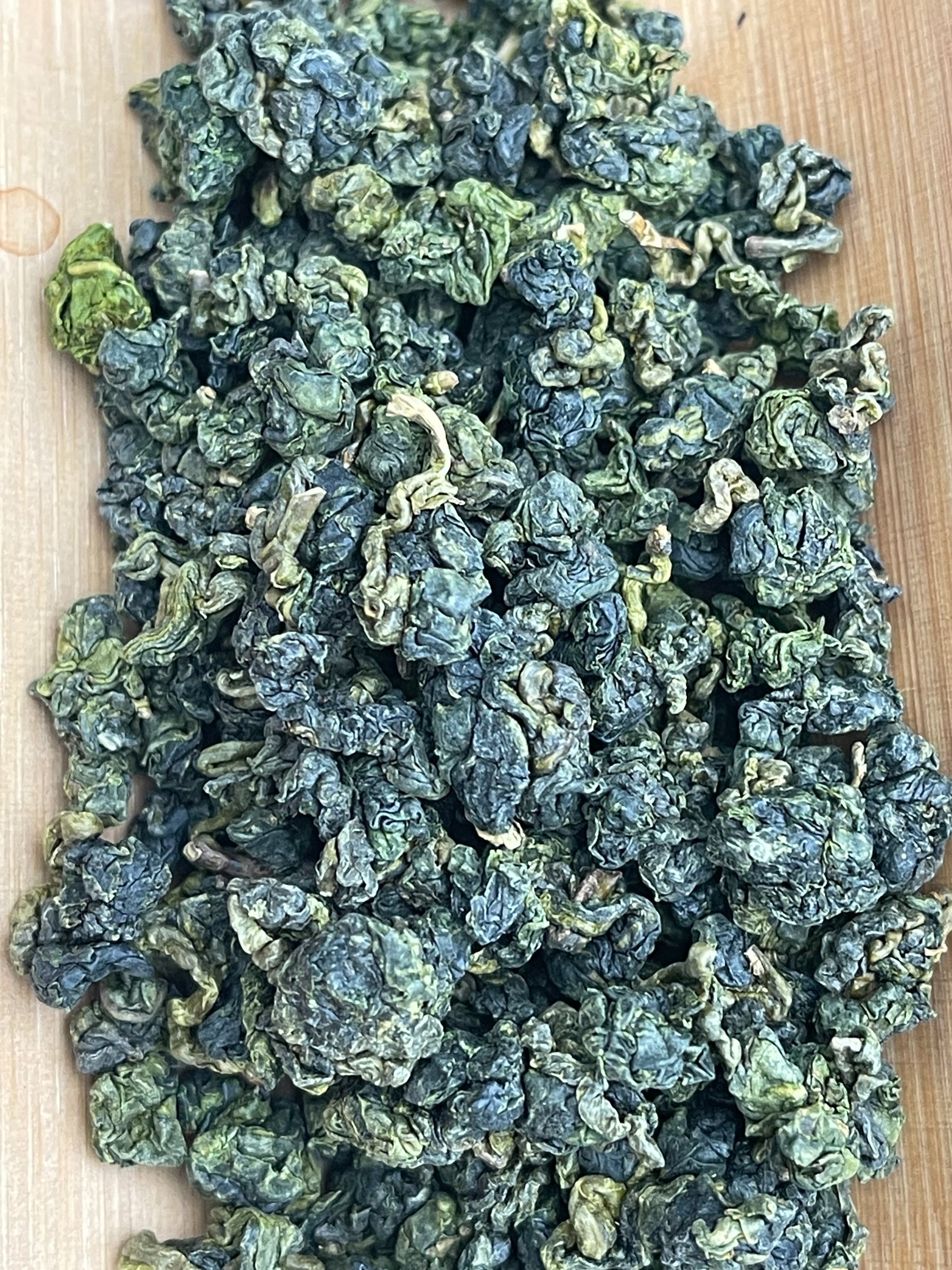
Oolong occupies a unique place between green and red (black) tea. Thanks to partial oxidation, it masterfully combines the vibrant freshness and floral lift of green tea with the depth, warmth, and complexity of darker varieties.
Today, high-mountain oolongs are Taiwan’s signature masterpiece. Connoisseurs worldwide regard Taiwanese oolongs among the most multifaceted teas in aromatics and mouthfeel.
Behind the name “oolong” lies an expansive universe of crafting styles, oxidation gradients, and roasting masteries. Two oolongs can display entirely distinct characters while belonging to the same botanical heritage.
Understanding Oxidation in Tea
On the oxidation spectrum, green tea undergoes minimal oxidation, red tea undergoes complete oxidation, while oolong is partially oxidized (typically between 15% and 75%).
During controlled oxidation, the tea master orchestrates enzymatic transformations. Grassy notes soften into fresh orchid blossoms, honey, ripe stone fruits, and sweet confectionery nuances.
How Oxidation Levels Shape the Flavor
Light Oxidation (15%–25%)
These alpine oolongs spotlight crisp floral aromatics, spring freshness, and silky creaminess. Notes of wild orchid, lilac, white peach, and fresh cream dominate. Most contemporary high-mountain teas from Alishan and Lishan belong to this esteemed category.
Medium Oxidation (30%–50%)
Medium oxidation introduces layered depth. Notes of ripe peach, wildflower honey, dried apricot, and warm spices emerge, offering a plush body alongside refined sweetness.
Heavy Oxidation (60%–75%)
Higher oxidation produces rich, amber infusions reminiscent of baked fruit, wild honey, caramelized sugar, and precious wood notes (exemplified by legendary Oriental Beauty / Dongfang Meiren).
The Art and Role of Roasting (Hong Pei)
Roasting over longan charcoal or in precision convection ovens is an essential second pillar of Taiwanese tea craft:
- Light Roast: Preserves pure floral elevation, crisp alpine breeze, and youthful freshness.
- Medium Roast: Imparts golden honey sweetness, toasted hazelnuts, and rounded mouthfeel.
- Traditional Deep Roast (Dong Ding Style): Develops dark cocoa, warm caramel, charcoal warmth, and lingering sweet resonance.
High-Mountain Terroirs (Gao Shan Cha)
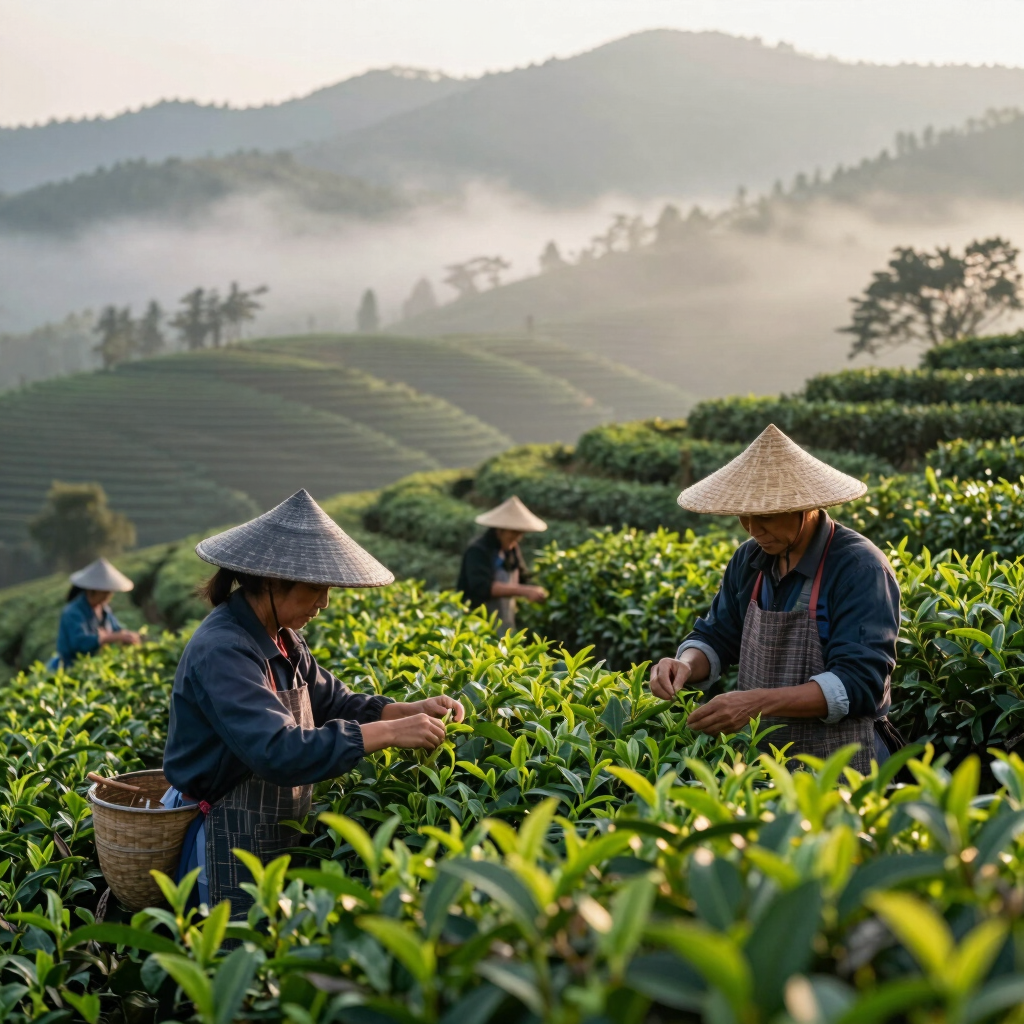
Teas cultivated above 1,000 meters benefit from frequent mountain mist, sharp diurnal temperature swings, and rich subalpine soils. The leaves develop slowly, concentrating amino acids, pectin, and volatile aromatic oils.
The most renowned Taiwanese terroirs include Alishan (1,200–1,600m), Lishan (2,000–2,600m), and Shan Lin Xi (1,600–1,900m).